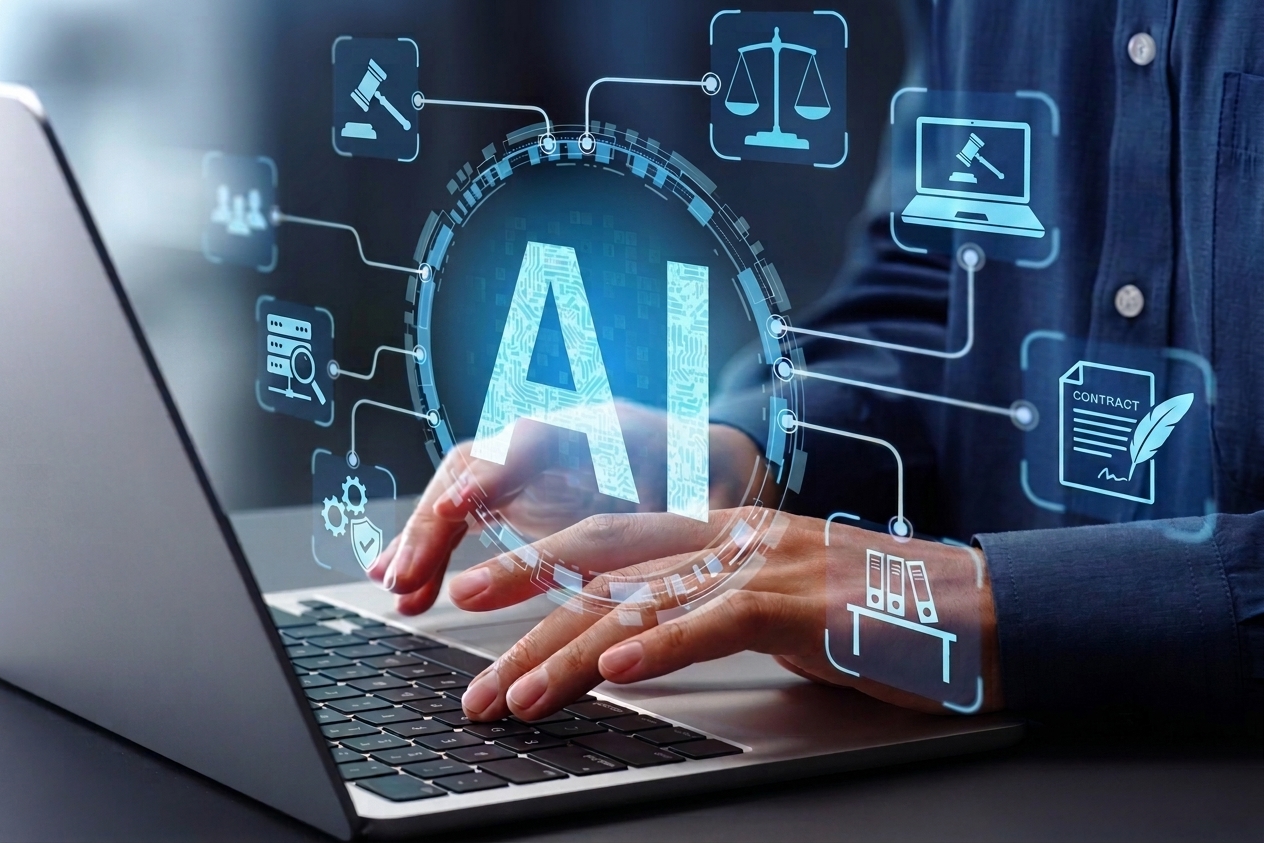
Artificial Intelligence has moved well beyond science fiction and casual group chats. It’s now a practical, transformative tool that’s reshaping how independent veterinary practices operate and connect with clients. From automating routine tasks to improving diagnostics and communication, AI is helping practices deliver better care while creating more meaningful client interactions.
But what exactly is AI in the context of veterinary medicine, and how can it genuinely improve the client experience without replacing the human touch we all value?
What Is AI in Veterinary Practice?
At its core, AI refers to cloud-based systems that analyze data, support diagnostics, and assist with clinical decision-making. The real benefit? It takes over repetitive, time-consuming tasks so your team can spend more energy on personalized care, building trust, encouraging referrals, and earning those glowing reviews that matter most.
A Quick Look at AI’s Evolution
While it feels very new, the foundations of AI go back to the 1950s with Alan Turing’s ideas and the famous Dartmouth Conference. The 1990s brought machine learning (remember IBM’s Deep Blue beating Garry Kasparov at chess?), and the 2010s introduced deep learning powered by massive amounts of data. Today, tools like ChatGPT have made AI accessible to everyday users, and veterinary medicine is benefiting in practical ways.
How AI Is Already Helping Veterinary Practices
A 2024 survey by Digitail and AAHA found that nearly 40% of veterinary professionals are using AI tools daily or weekly, with client communication being one of the top applications. AI can analyze the tone of client conversations, help schedule appointments, transcribe notes, interpret images, and even predict health risks — all while freeing up your team for higher-value work.
Here are seven practical ways AI is enhancing the client experience right now:
- AI at the Front Desk – Smarter Scheduling and Communication
Tools like Dodo, Shepherd, Digitail, and Weave let clients book appointments online 24/7, send reminders, and handle routine questions via text or phone. Some systems can manage hundreds of calls simultaneously with almost no missed connections. The result? Fewer interruptions for your team and more time for warm, in-person interactions when clients arrive. - AI in the Exam Room – Real-Time Medical Transcription
Tools such as ScribbleVet, Scribenote and Talkatoo use natural language processing to listen during appointments and automatically generate structured SOAP notes. Veterinarians can maintain eye contact, listen more attentively, and focus on the client instead of typing. This not only improves the quality of the visit but can also free up time for additional appointments. - AI for Diagnostic Imaging
Platforms like Vetology and SignalPet can quickly analyze radiographs, ultrasounds, and other images to flag potential issues such as fractures, tumors, or obstructions. Faster preliminary insights mean quicker discussions with clients and reduced anxiety while waiting for answers. - AI Chatbots and Virtual Assistants
Chatbots can answer common questions, provide basic care guidance, and handle prescription refill requests around the clock. This reduces phone volume and allows your team to focus on clients who are physically in the practice. - Predictive Analytics for Personalized Care
AI can review patient history and lab results to predict risks — for example, identifying early signs of chronic kidney disease in cats up to two years in advance or helping tailor cancer treatments. These insights open the door for proactive, personalized conversations that strengthen client trust and loyalty. - Remote Monitoring and Telehealth
Wearable devices and AI-powered telehealth platforms allow remote tracking of vital signs and virtual follow-ups. This is especially helpful for post-surgical checks or managing chronic conditions without requiring every visit to be in-clinic. - Sentiment Analysis for Better Communication
AI (E.g. Webex) can review call recordings, texts, and emails to detect frustration, confusion, or satisfaction. This helps practices spot issues early, improve staff training, and turn potential problems into opportunities to show extra care.
Making AI Work in Your Practice
Implementing AI successfully requires thoughtful planning. Someone on your team should take the lead as a “Chief Technology Officer” — even part-time — to train others, troubleshoot, and ensure tools are used correctly. Always verify AI-generated notes for accuracy, maintain strong data privacy, and remember that AI should support, not replace, genuine human connection.
The goal is balance: use technology to handle the repetitive work so your team can invest more time in empathy, education, and building lasting relationships.
Final Thoughts
AI isn’t about replacing veterinarians or staff — it’s about removing friction so you can deliver a higher level of personalized care. When used thoughtfully, these tools help create smoother operations, reduce burnout, and give clients the attentive, unhurried experience that turns them into loyal advocates for your practice.
If you’re curious about how AI could fit into your specific practice — whether it’s reducing phone interruptions, improving documentation, or enhancing client communication — now is a great time to explore.
Ready to see how AI can support a more efficient and client-focused practice? Schedule a free 45-minute Practice Potential Analysis. We’ll discuss practical next steps tailored to your team and your goals. What’s your current experience with AI in veterinary medicine? Are you already using any tools for scheduling, transcription, or diagnostics? Share your thoughts in the comments — I’d love to hear what’s working well or what concerns you still have as we move further into this new era of practice management.