Before sending another thousand dollars into the digital wilderness to fetch new clients, it might be worth checking what happens when they find you.
You can have a handsome website, enthusiastic Google reviews, and advertising that could charm a squirrel out of an oak tree.
But if someone calls and encounters an unanswered phone, a prolonged hold, or a greeting with the warmth of a parking ticket, we have a small problem at the welcome mat.
The marketing created an opportunity.
What happened to it?
That’s the question behind From Click to Clinic: following a prospective client from their first online impression to the moment they walk through your door, pet in tow.
Because a click is encouraging. A booking is promising.
An arrival is where you can finally deliver the care they came looking for.
Does an empty schedule mean you need more marketing?
Possibly.
But first, consider another explanation: people are already reaching for your practice, and some are getting lost along the way.
They call during lunch and reach voicemail. They submit an appointment request that waits unnoticed. They ask about a price, receive a number, and leave without an invitation to book.
Meanwhile, you look at Thursday’s open schedule and wonder whether to increase the advertising budget.
Before you do, follow the journey:
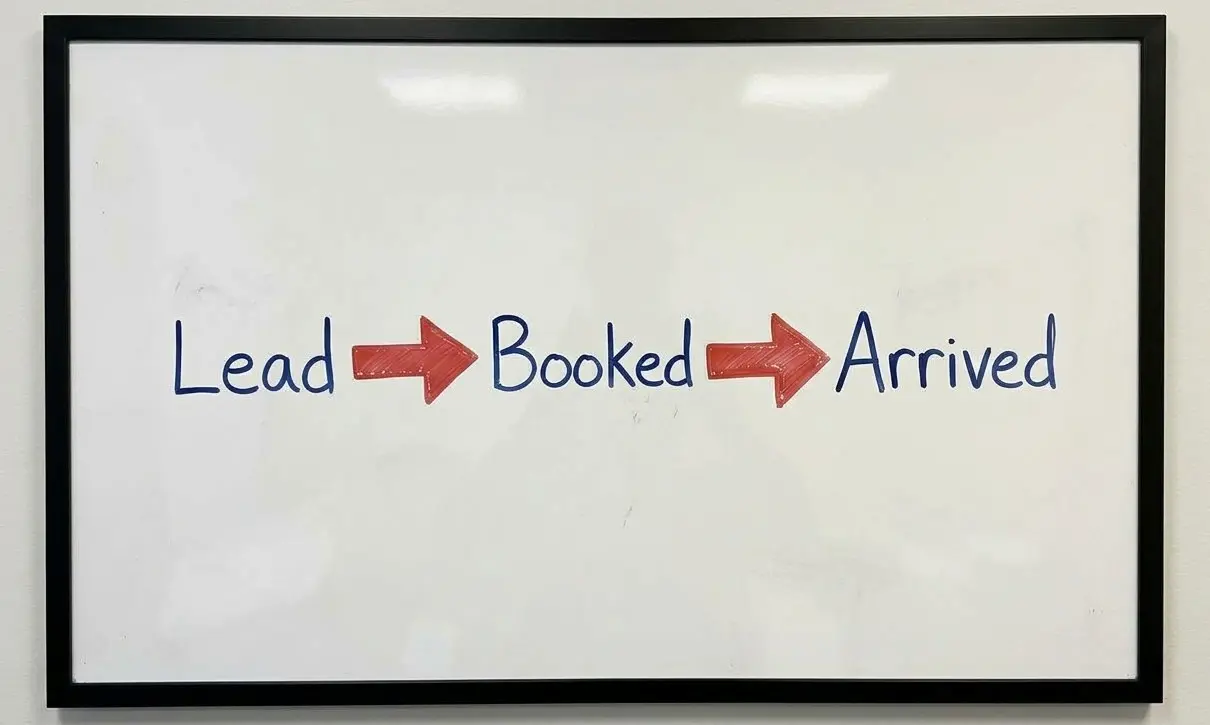
Found you → Contacted you → Booked → Confirmed → Arrived.
At each step, ask: How easy are we making this?
Earn the click—and make the next step obvious
Your website should help a pet owner feel comfortable taking the next step.
Show them the people who will care for their pet. Use real photographs of your team and practice. Explain what makes the experience welcoming. A short, well-made introduction video can give visitors a sense of who you are before they call.
Useful information belongs there, too. Just make sure the invitation to book doesn’t disappear beneath a small veterinary textbook.
“Call us.” “Book an appointment.” “Request a visit.”
Whichever route you offer, make it easy to find and clear about what happens next.
Then try it yourself on your phone.
Can you book easily? Does the form work? Is it obvious whether you have secured an appointment or merely requested one?
A button marked “Book Now” that launches a lengthy form and an uncertain wait deserves a little attention.
Give people an easy way to reach you
Some clients want to speak with a person. Others prefer choosing an appointment online while comparing your availability with their calendar.
Both can work well.
Direct online booking is a personal favourite of mine when it’s thoughtfully configured. You can define eligible visit types, appointment lengths, and available slots so clients have useful choices within a manageable schedule.
Appointment-request forms need a clear follow-up process: someone responsible for checking them, responding promptly, and confirming the booking.
And the telephone?
It still deserves your full attention.
Review your phone logs. Look for missed and abandoned calls, especially around opening, lunch, and closing.
Also consider whether the person answering calls can actually concentrate. Asking one CSR to welcome arrivals, handle payments, answer three lines, and locate a missing prescription is an ambitious exercise in human octopus development.
Where practical, separate phone handling from reception. Give both jobs the attention they require.
Help the caller feel understood
“How much is an examination?”
It’s tempting to hear that as a price-shopping inquiry.
It may simply be the only question the caller knows how to ask.
Answer it clearly, then open the conversation:
“May I ask what’s going on with your pet?”
“Have we seen Bella before?”
“What are you most concerned about?”
I call these Questions of Concern. They help your team understand the person’s needs while building trust.
This is also an opportunity to recognize concerns that need prompt clinical guidance under your practice’s triage process.
For an appropriate appointment, help the caller move forward:
“We’d be happy to help. Let’s find a time that works for you.”
Practice these conversations with your team. A few minutes of rehearsal can make a useful question feel natural when the phone rings.
Help booked clients become arrived clients
A booking creates an opportunity to deliver care. There’s still a journey between the conversation and the consultation.
Send a clear confirmation with the appointment time, location, expected exam fee, and any preparation instructions.
Use reminders that make it easy to confirm, ask questions, or reschedule.
If your practice uses deposits, explain the amount and terms warmly and clearly. Watch what happens to both bookings and arrivals so you understand the effect.
And measure arrival properly: follow the appointments due in a particular period and check how many were kept. Bookings made this week may be for next week.
Watch the scoreboard
You don’t have to guess where the process needs help.
Track these weekly:
- Reaches: inquiries through phone, website forms, and other channels.
- Contacts: inquiries your team actually connects with.
- Bookings: appointments scheduled.
- Arrivals: clients who attend.
For phone performance, I also use the New Client Conversion Index (NCCI):
New clients arrived ÷ inbound calls × 100.
Twenty new clients arriving during a period with 200 inbound calls gives an NCCI of 10: ten new-client arrivals per 100 calls.
This is an overall indicator, since inbound calls also include existing clients and other inquiries. Use consistent definitions and watch your trend alongside booking and arrival rates.
Find a bottleneck. Make one improvement. Measure again.
Make the arrival worth the journey
When a new client arrives, someone should be ready to welcome them.
Look up. Use their name. Acknowledge their pet. Help them understand what happens next.
This is where your online promise becomes a real experience—and where a Standing Ovation Practice™ starts earning its name.
Your front-end team has a great deal on its plate, often accompanied by a ringing telephone, an anxious pet owner, and a Labrador who has decided the welcome mat is an appetizer.
Give them the training, coverage, and breathing room to do this well.
After all, the people coming through your door have brought their trust, their worries, and someone very dear to them.
That’s quite an entrance.
Let’s be ready for it.
Would a second set of eyes help?
If you’d like help following the journey from inquiry to arrival, let’s meet for a complimentary Front-End Assessment.
We’ll look at your booking process, phone activity, and new-client arrivals to identify practical opportunities for improvement.
Practice Potential Analysis – Schedule Here
Warmly,
Joel